
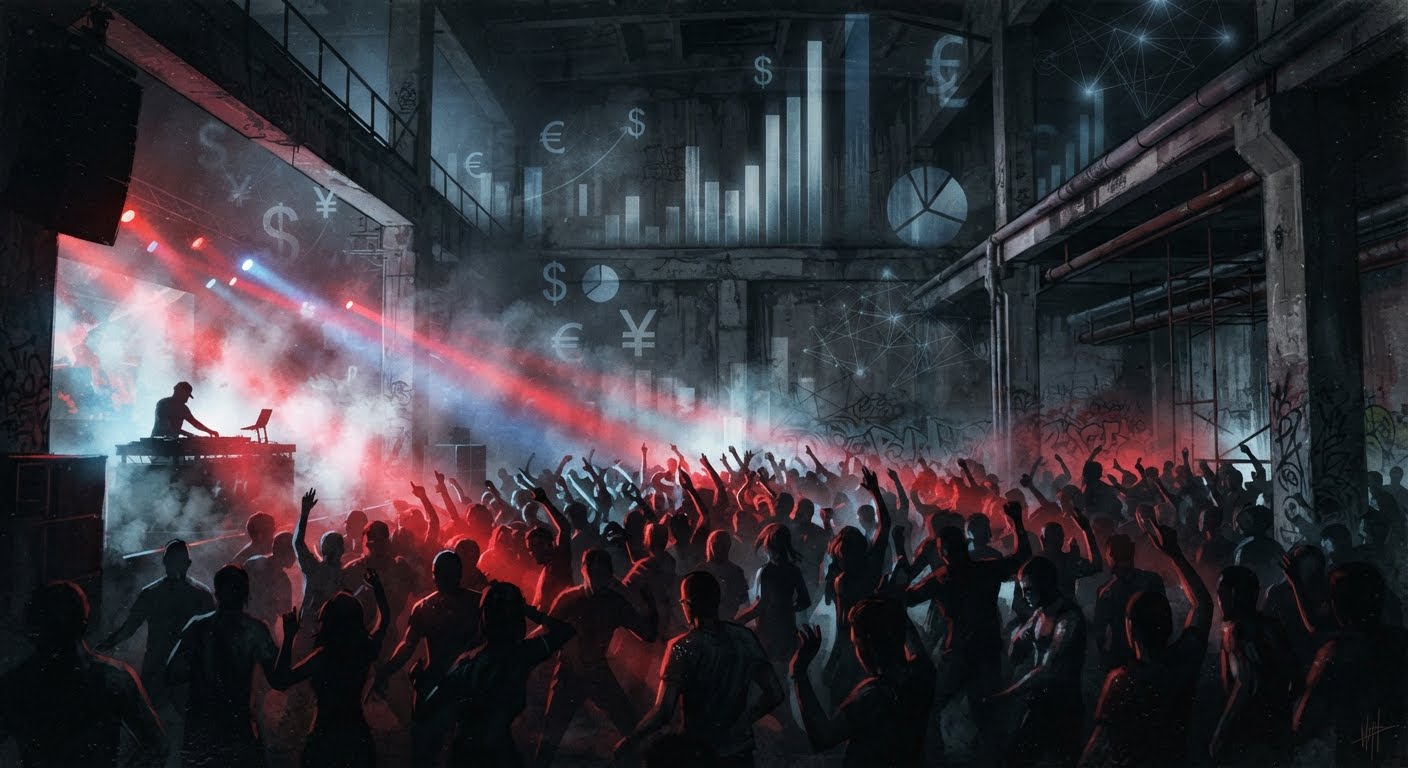
The Corporate Buyout of the Underground: Are Major Labels Silently Swallowing Club Culture? Walk into a subterranean warehouse in Brooklyn, a sweat-drenched bunker in Berlin, or an intimate loft in East London, and the aesthetic feels defiantly grassroots. The concrete is raw, the lighting is sparse, and the subwoofers rumble with the uncompromising weight of underground house and techno. For decades, this ecosystem operated on an unspoken covenant: dance music was a counter-cultural refuge built by outsiders, sustained by independent record labels, and curated by tastemaker DJs who prioritized communal catharsis over quarterly earnings.
Yet behind the smoke machines and custom analog sound systems, a silent shift has been underway. Over the past five years, the global dance music market—now valued at well over $10 billion—has caught the predatory gaze of major record conglomerates and multinational entertainment titans. The majors are no longer content with merely licensing crossover festival anthems. Instead, they are quietly buying up catalog rights, bankrolling boutique imprints, acquiring independent booking agencies, and securing majority stakes in the historic clubs that gave birth to the culture. For producers crafting tracks in bedroom studios, selectors grinding out local residencies, and fans seeking genuine authenticity, the stakes could not be higher: the very DNA of club culture is being financialized.
Core Insights & Industry Dynamics
The encroachment of The Corporate Buyout of the Underground into the electronic underground is neither loud nor abrupt. It does not look like a corporate banner draped over a Berghain pillar. Rather, it operates through sophisticated financial mechanisms, strategic partnerships, and invisible distribution networks designed to preserve the illusion of underground authenticity while diverting the revenue upstream.
-
- The Rise of the “Phantom Indie”: Major labels (Universal Music Group, Sony Music Entertainment, and Warner Music Group) have perfected the art of stealth ownership. Rather than signing an underground tech-house producer directly to a mainstream major imprint, they acquire or bankroll venerable independent labels while keeping the original founders as figureheads. These stealth subsidiaries retain their gritty visual branding and bespoke vinyl runs, yet their streaming strategies, sync placements, and release schedules are dictated by corporate boardroom targets.
-
- Algorithmic Homogenization and Streaming Dominance: Independent dance music thrived on the unpredictability of extended mixes, B-side dubs, and dynamic vinyl selections. Major labels now dominate editorial playlist real estate on major streaming platforms. To satisfy streaming algorithms and maximize stream completion rates, track lengths are routinely compressed to under three minutes, vocal hooks are inserted within the first ten seconds, and the hypnotic, polyrhythmic progression characteristic of true underground club music is systematically stripped away.
-
- Live Ecosystem Monopolization: Corporate giants like Live Nation, via subsidiaries like Insomniac, have rapidly absorbed regional clubs, boutique festivals, and boutique talent agencies. By controlling the entire vertical pipeline—from the recording studio and ticket sales platform to the festival main stage and local club calendar—they establish an exclusionary booking circuit. Artists signed to corporate-aligned rosters secure coveted slots, while genuinely independent artists face venue lockouts due to aggressive radius clauses.
-
- The IP and Catalog Land Grab: The explosion of electronic music sync licensing in film, television, and gaming has made classic house and techno master rights highly lucrative. Private equity vehicles and major publishing wings are aggressively buying up legacy catalog rights of 1990s and 2000s underground imprints. Once acquired, classic records originally spun at the Paradise Garage or the Haçienda are repurposed for fast-fashion ad campaigns and generic commercial compilations, divorcing the art from its cultural heritage.
Practical Advice for Independent Artists & DJs
While the Corporate Buyout of the Underground machine operates with near-limitless resources, the underground still holds the ultimate trump card: cultural capital. Audiences consistently crave raw, authentic experiences that money cannot manufacture. For producers, DJs, and DIY label managers navigating this landscape, maintaining independence while building a sustainable career requires deliberate strategic adaptation.
1. Own Your Masters and Leverage Direct-to-Fan Platforms
Never sign away your master recordings early in your career for short-term advances that are quickly recouped by the label. Utilize platforms like Bandcamp, Patreon, and Web3 direct-distribution protocols to cultivate a dedicated subscriber base. A core following of 500 fans buying high-resolution WAVs, custom merchandise, and limited-run vinyl directly from your Bandcamp store will yield more sustainable revenue than hundreds of thousands of low-yield algorithmic streams.
2. Build Local, Decentralized Community Networks
If major corporate buyouts of the Underground networks are monopolizing prime venues with high ticket prices and homogenized lineups, look outward. Cultivate relationships with non-traditional spaces: art galleries, industrial spaces, community centers, and co-op sound spaces. Collaborate with local visual artists, custom sound engineers, and community organizers to establish independent micro-scenes. True club culture was born in unauthorized spaces, and re-establishing spatial autonomy is the best defense against corporate sanitization.
3. Scrutinize Distribution and Licensing Contracts
Always conduct thorough due diligence before signing distribution deals. Investigate the parent company behind the distributor. If you decide to work with a major-affiliated aggregator to secure broader playlist reach, negotiate non-exclusive distribution or single-track licensing deals rather than multi-album exclusivity. Insist on clear reversion clauses, ensuring that the rights to your art revert back to you after a specified timeframe.
Conclusion: Protecting the Pulse of the Counter-Culture
The corporate buyout of the underground is not an inevitable historical fate; it is an economic strategy that thrives solely on our complicity. Major labels possess unprecedented financial muscle, but they cannot manufacture the communal spirit, the boundary-pushing artistic risk, or the radical inclusivity that made house and techno an enduring global phenomenon. The underground is not a sound that can be packaged into an algorithmic playlist—it is an ethos.
By fiercely defending our independent labels, preserving our historical spaces, refusing to dilute our sonic output for algorithmic metrics, and maintaining direct connections between the selector and the dancer, the global electronic community can insulate itself against corporate homogenization. The underground was built by rebels, misfits, and sonic pioneers. It belongs in the dark corners of the dance floor, not on corporate balance sheets.
Frequently Asked Questions
How can I tell if a supposedly “underground” label is actually backed by a major corporation?
Investigate the label’s metadata and copyright lines on major streaming platforms. Look at the bottom of a release page for the “P” and “C” copyright lines. If you see names like Sony Music Entertainment, Warner Music, Universal Music Group, or major distribution arms like The Orchard, ADA, or Virgin Music Group, the label is operating under a corporate umbrella. Additionally, research the label’s corporate registration filings or ownership portfolio via resources like Discogs, Crunchbase, or specialized music trade databases.
Is it ever strategically beneficial for an underground dance music artist to sign with a major label?
Yes, but under very specific terms. If your primary artistic ambition is cross-genre collaboration, securing international radio airplay, or landing multi-million-dollar synchronization deals for global film and commercial campaigns, major labels possess the infrastructure to achieve those goals. However, artists should only enter these agreements with experienced legal representation, ensuring they retain creative control, avoid punitive recoupment structures, and retain the rights to their foundational underground catalog.
How does the corporate ownership of venues hurt local club scenes?
When corporate conglomerates acquire local nightlife institutions, the financial imperative shifts from cultural curation to aggressive profit maximization. This leads to skyrocketed ticket prices, exploitative drink minimums, and the enforcement of strict radius clauses that prevent booked artists from performing at smaller, local DIY venues for months. Consequently, diverse and experimental local resident DJs are frequently sidelined in favor of predictable, commercially viable touring talent capable of moving massive volumes of tickets, effectively stifling local artistic growth.
Originally covered via industry sources, including DJ Booking Agencies & Record Labels.